
The evolution of casino culture A global perspective on gaming traditions
The Historical Roots of Gambling
The origins of gambling can be traced back to ancient civilizations, with evidence of gaming activities found in artifacts from cultures such as the Chinese, Egyptians, and Greeks. These early forms of gambling often involved simple dice games, betting on the outcomes of events, and rudimentary games of chance. The fascination with games of chance is woven into the social fabric of many societies, often serving as a form of entertainment as well as a means of social interaction. As part of this evolution, one can see how platforms like Betinia represent the modern take on these enduring traditions.
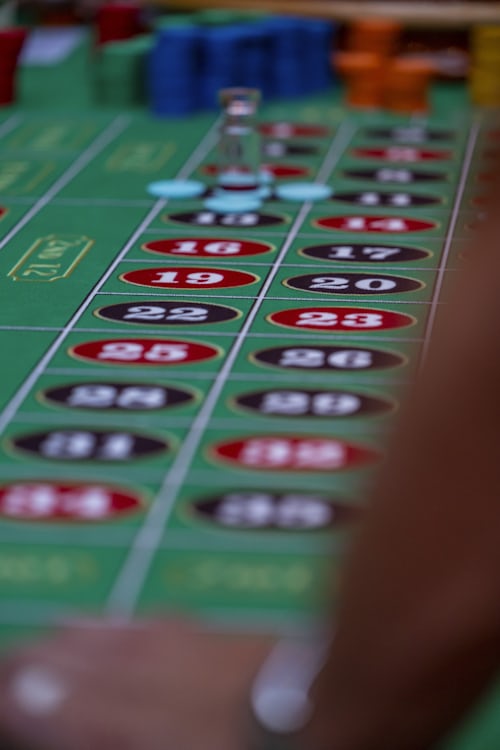
As cultures evolved, so too did their gaming traditions. The Romans introduced more structured forms of gambling, including betting on gladiatorial contests and chariot races. In medieval Europe, various dice games became popular among the aristocracy, reflecting a growing interest in the thrill and risk associated with gambling. This historical context highlights how gambling has been a constant human endeavor, adapting to societal changes and technological advancements over centuries.
By the time the Renaissance blossomed, gambling establishments began to formalize into what we now recognize as casinos. The first official casino, the Casino di Venezia in Italy, opened in 1638, marking a significant shift in how society engaged with gambling. These establishments became centers for socializing, luxury, and entertainment, laying the groundwork for the casino culture that would spread globally.
The Global Spread of Casino Culture
The expansion of casino culture can largely be attributed to the colonial era, during which European powers spread their traditions and customs across the world. In places like the Caribbean, gambling quickly became intertwined with local cultures, creating a unique blend of European and indigenous gaming practices. For instance, casinos in Cuba reflected the vibrancy of Caribbean life while incorporating European card games, demonstrating how cultural exchange can shape the gambling landscape.
In the 20th century, the American gambling scene experienced a profound transformation with the establishment of Las Vegas as a gambling mecca. This city, famous for its extravagant casinos and entertainment options, epitomizes the commercialization of casino culture. Las Vegas brought an entirely new level of spectacle to gambling, creating a unique identity that attracted tourists from around the globe, further popularizing the casino experience.
As global travel became more accessible, gambling traditions continued to evolve. Countries in Asia, such as Macau and Singapore, emerged as new gambling hubs, blending traditional gaming with modern attractions. These regions have developed their casino industries to offer a wide range of experiences, blending local culture with international appeal, and thus reshaping the global landscape of gambling.
The Influence of Technology on Gaming Traditions
Technology has had a revolutionary impact on the evolution of casino culture, particularly in recent decades. The rise of the internet brought forth online casinos, fundamentally changing how players engage with gambling. These platforms allow players to access a wide variety of games from the comfort of their homes, breaking down geographical barriers and expanding the reach of gaming traditions worldwide.
Moreover, advancements in mobile technology have led to the proliferation of mobile gaming applications. Players can now enjoy gaming experiences on the go, significantly altering how casino culture is experienced. This shift has made gambling more accessible, particularly for younger generations who prefer digital engagement over traditional brick-and-mortar establishments.
Furthermore, innovations such as live dealer games have brought a new level of interactivity to online gaming. These games combine the convenience of online play with the authentic experience of a physical casino, allowing players to interact with real dealers through video streaming. This evolution demonstrates how technology continues to shape the ways in which traditional gaming practices are reimagined in the digital age.
Cultural Perspectives on Gambling
Across the globe, cultural attitudes towards gambling vary significantly, influencing how casino culture is perceived and practiced. In some cultures, gambling is viewed as a form of entertainment and social interaction, while in others, it may be regarded with suspicion or outright disapproval. For example, in countries like Japan, traditional gaming such as pachinko has deep cultural roots, yet there remains a stigma around formal gambling establishments.
In contrast, many Western societies embrace gambling as a legitimate form of entertainment. This acceptance has led to the development of various gambling regulations, ensuring fair play and consumer protection. In places like Las Vegas, gambling is integral to tourism and economic growth, demonstrating how societal norms can shape the casino landscape.
These differing attitudes also affect the types of games that are popular in various regions. For example, while card games like poker may dominate in the U.S., games like Mahjong have a rich tradition in Asian cultures. Understanding these cultural nuances is essential for recognizing how casino culture adapts and thrives across different societies.
Modern Casino Experiences: The Role of Betinia
In the contemporary landscape of gaming, online casinos like Betinia Canada represent the future of casino culture. Offering a vast array of games, including slots and live dealer experiences, Betinia caters to a diverse audience with varying preferences. The platform not only provides entertainment but also fosters a sense of community among players, echoing the social aspect of traditional casinos.
Betinia enhances the gaming experience with generous welcome bonuses, allowing new players to explore its offerings with incentives. This approach aligns with the evolving nature of gambling, where players seek value and engagement. Moreover, by creating a safe and user-friendly environment, Betinia reflects the industry’s commitment to responsible gaming practices.
As the world of gambling continues to evolve, platforms like Betinia will play a significant role in shaping the future of casino culture. By embracing technology while honoring traditional gaming values, online casinos can ensure that the rich tapestry of gaming traditions remains vibrant and relevant for future generations.